The Best Method For Heat Printing Sliders
The Best Method For Heat Printing Sliders
Achieving an accurate heat transfer application on a slider isn’t as simple as it might seem at first glance.
Unlike flat garments, sliders present a unique challenge. Their thick, cushioned soles create an uneven surface, making it difficult for a heat press to apply consistent pressure. Placing a slider directly onto the platen can not only distort the print area but also risk damaging both the footwear and the machine itself. The raised edges and curved shape of the sole prevent full contact, leading to poor adhesion, patchy transfers, or even scorching in high-pressure spots.
This raises the obvious question—how do professionals get clean, durable prints on sliders?
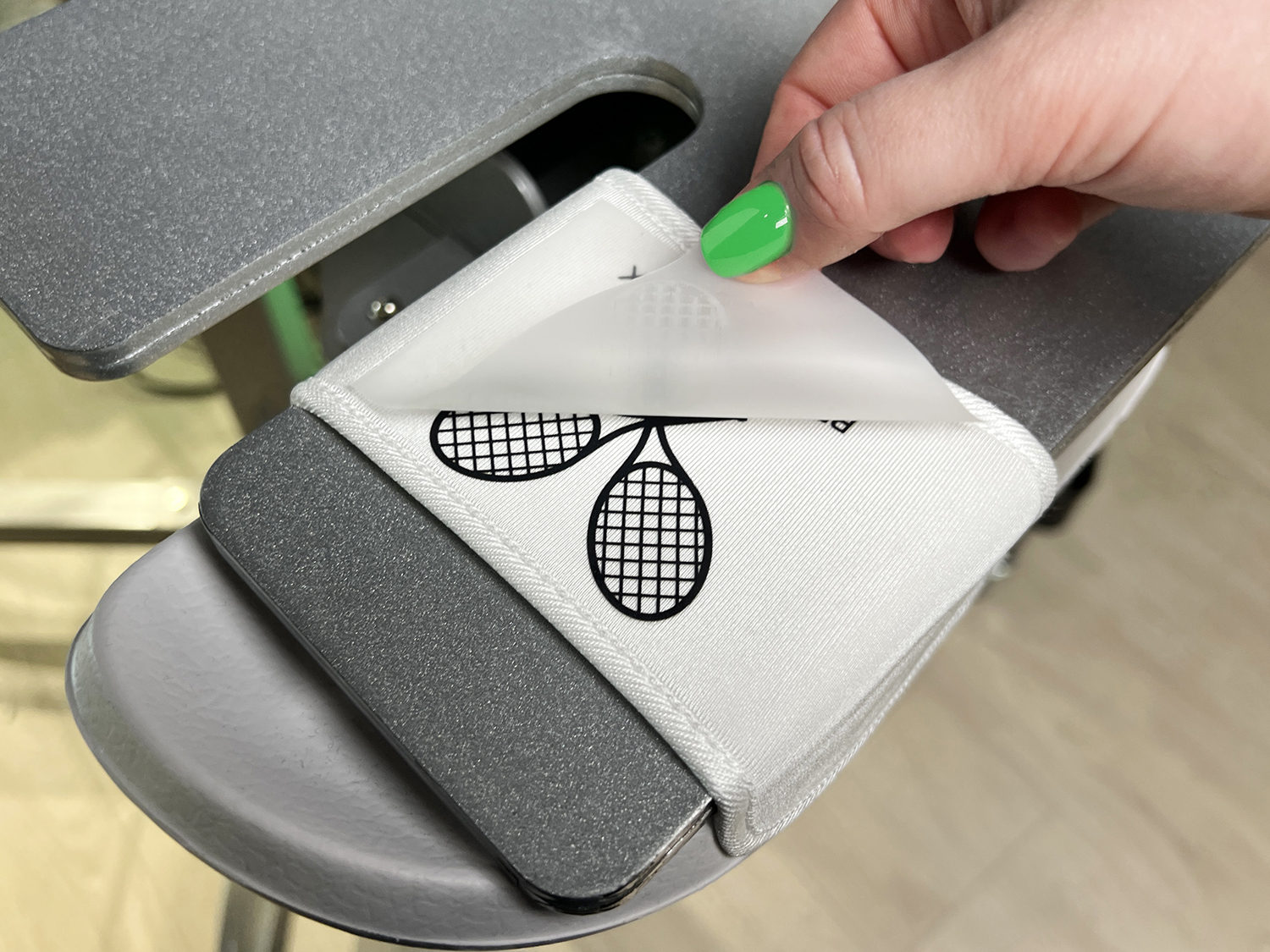
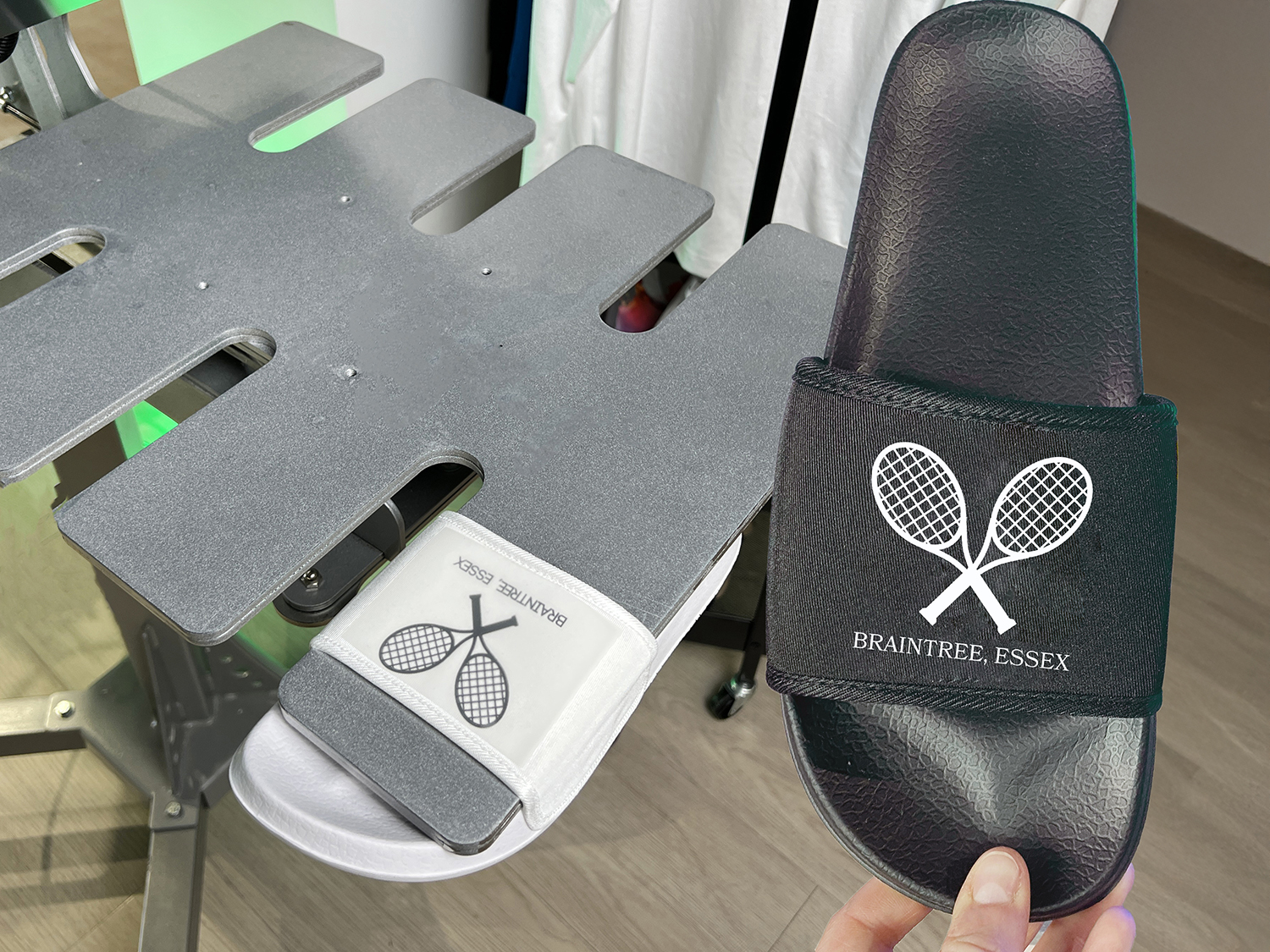
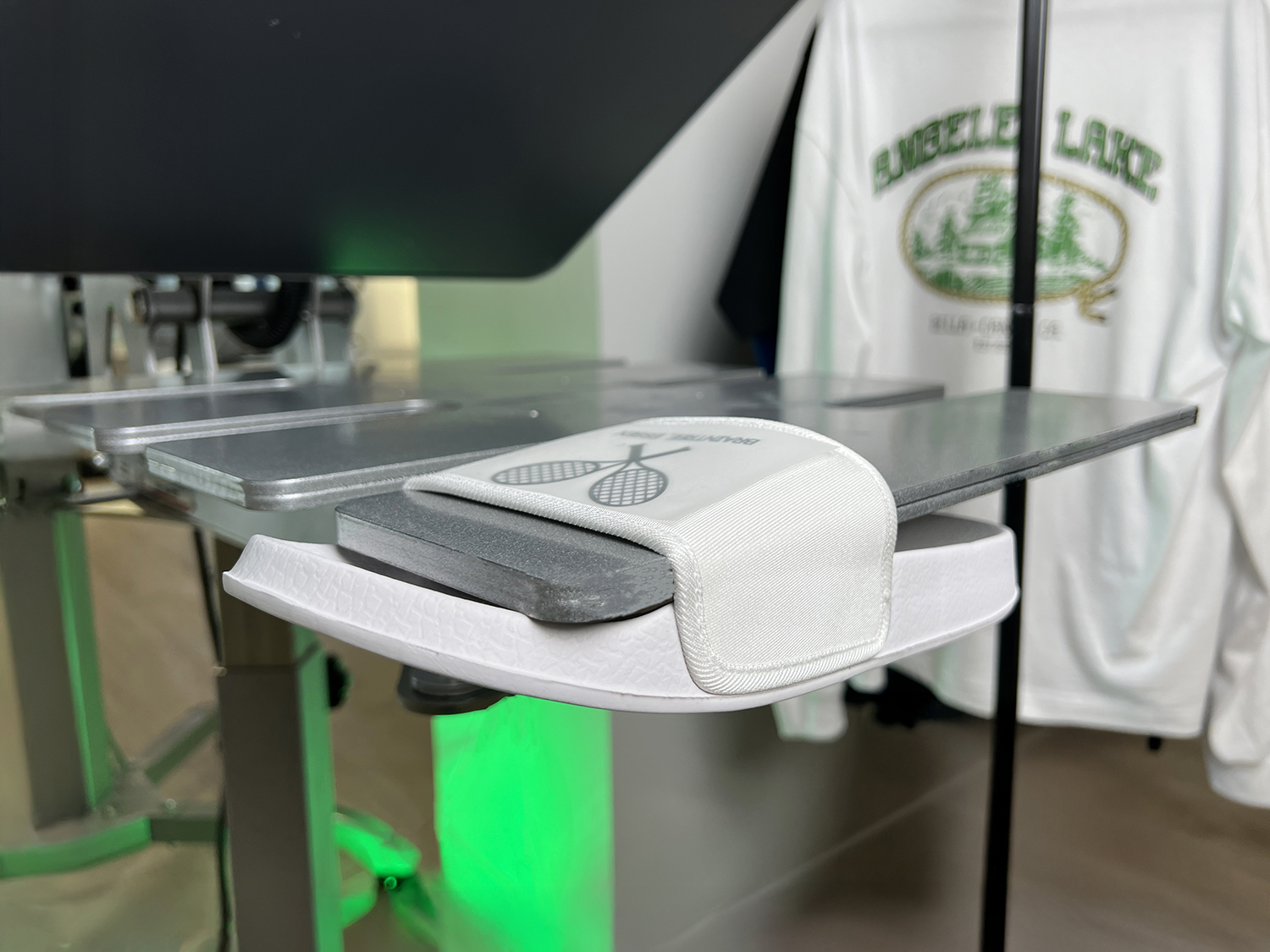
The key lies in preparation and proper setup. Pros don’t treat sliders like standard flat items; instead, they adapt the pressing environment to suit the shape of the product. One common approach is to elevate the strap area so it becomes the primary contact point with the heat press. This can be done using a heat-resistant pressing pillow, foam pad, or a specially designed jig. By supporting the strap and allowing the sole to hang off or sit lower, you create a flatter, more even surface for heat application.
Equally important is controlling pressure. Rather than relying on maximum force, professionals fine-tune their press settings to apply firm but balanced pressure—enough to bond the transfer without crushing or warping the slider. In some cases, they may even use smaller platens or interchangeable press attachments to better match the size of the strap.
Temperature and time also play a critical role. Because sliders are often made from synthetic materials that can be sensitive to heat, pros carefully follow transfer specifications and may use protective sheets (like Teflon or parchment) to prevent scorching or shine marks.
In short, the difference comes down to technique. By stabilizing the print area, adjusting pressure, and respecting the material, professionals turn a tricky, uneven product into a reliable surface for high-quality heat transfers.
Custom Heat Transfers
Choose InkTra for a cost-effective single colour heat transfer. Get access to eye-catching metallics and neon inks.
Choose UltraColour PRO for a full colour low temperature heat transfer that's economical when ordering large quantities.
Choose UltraColour Max DTF Heat Transfers for for short trial runs or personalised products.