
The 5 Most Common Heat Press Mistakes (And How to Fix Them)
The 5 Most Common Heat Press Mistakes (And How to Fix Them)
Heat printing is one of the fastest, most reliable ways to decorate garments when it’s done right. But even experienced decorators can run into issues that cost time, money and blank stock.
The good news? Most heat press problems come from a few simple mistakes. Fix these, and you’ll immediately improve print quality, consistency and confidence at the press.
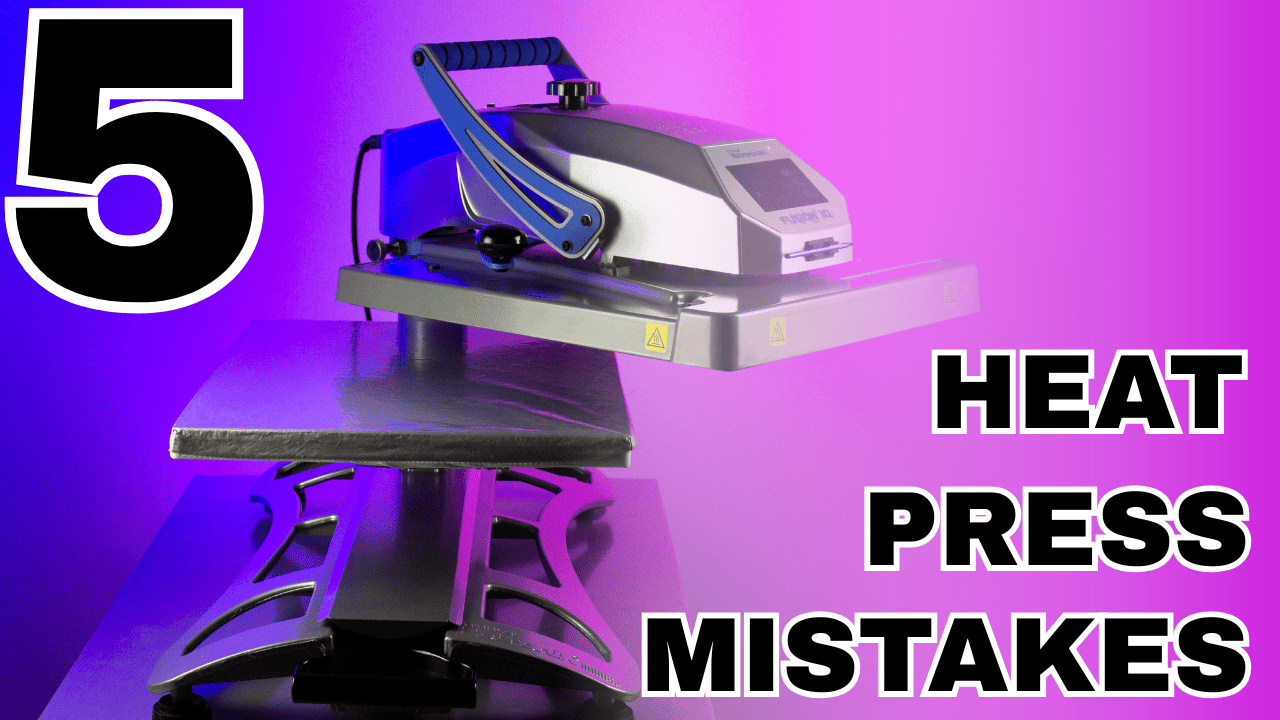
Here are the five most common heat press mistakes, and exactly how to avoid them.
1. Using the Wrong Pressure
If a transfer isn’t sticking properly, lifting at the edges, or washing out early, pressure is usually the culprit.
Many decorators rely on “feel” when closing their press. But inconsistent pressure leads to inconsistent results, especially when switching between garments of different thicknesses.
The fix:
Use a press with accurate, repeatable pressure control. Digital pressure readouts or calibrated adjustment knobs take out the guesswork. Always follow the pressure recommendations for your specific transfer type, and test on a spare garment before running a full order.
Pro tip: Remember that hoodies, seams, zips, and thick fabrics all change how pressure is distributed. Threadable platens help keep garments flat and even.
2. Incorrect Time or Temperature Settings
Too hot or too long, and you risk scorched fabrics, faded colours, or damaged transfers.
Too cool or too short, and the transfer won’t bond correctly.
Guessing settings is one of the fastest ways to waste stock.
The fix:
Follow the application instructions supplied with your transfer material, and store proven settings as saved recipes if your press allows it. This guarantees every operator gets the same result, every time.
Pro tip: Allow garments to cool as recommended before peeling. Some materials are hot peel, others cold peel. Mixing this up causes avoidable failures.
3. Poor Transfer Placement
A perfectly pressed print can still look unprofessional if it’s in the wrong position. Crooked chest logos, prints too high on the neckline, or inconsistent placement across a batch can ruin a job.
The fix:
Use simple placement guides or alignment tools to create repeatable positioning. Mark reference points on platens, use rulers or laser/projected guides, and always pre-press garments to remove moisture and wrinkles before placement.
Pro tip: Create a placement template for common products like left chest, full front, and back prints to speed up setup on future orders.
4. Choosing the Wrong Transfer for the Fabric
Not all transfers behave the same on cotton, polyester, performance wear, nylon, or coated fabrics. Using the wrong material can cause dye migration, poor adhesion, or an uncomfortable feel.
The fix:
Match the transfer type to the garment. For example, low-temperature transfers for polyester help prevent dye bleed. Softer ink formulations improve hand feel on fashion garments. If in doubt, test before committing to production.
Pro tip: Keep a small sample library of transfers and garment types to reference when quoting new jobs.
5. Skipping Press Maintenance
A press that isn’t level, evenly heated, or properly cared for will never deliver consistent results. Uneven pressure, worn pads, or inaccurate temperature readings slowly create quality problems that are hard to diagnose.
The fix:
Build simple weekly maintenance into your routine:
• Check platen alignment
• Inspect silicone pads
• Clean platens
• Verify temperature accuracy
• Keep moving parts lubricated
Ten minutes of maintenance prevents hours of rework later.
Press Better, Waste Less, Deliver More
Heat printing should feel reliable, not risky. By controlling pressure, time, temperature, placement, material choice and maintenance, you’ll reduce misprints, protect your margins and produce professional results every time.
And when your workflow is consistent, scaling your production becomes much easier.
Ready to upgrade your pressing process?
Whether you’re starting out or improving an existing setup, the right heat press technology and transfer materials make all the difference. Explore professional-grade solutions designed for consistent, repeatable results and press with confidence.