3 Must-Have Winter Garments for Heat Printing in the Sportswear Market
3 Must-Have Winter Garments for Sportswear Printing
Last season, around 240 million people attended football matches across Europe, which creates a huge opportunity for heat printers that goes far beyond the kit.
From players and coaching staff to volunteers and supporters, football clubs have a wide audience requiring branded garments and merchandise. For decorators already working with sports customers, expanding beyond traditional kits can open the door to larger orders and additional revenue throughout the colder months.
Here are three winter products worth considering for your sports offering and what you need to keep in mind when heat printing them.
Dry Robes: Master Heat-Sensitive Fabrics
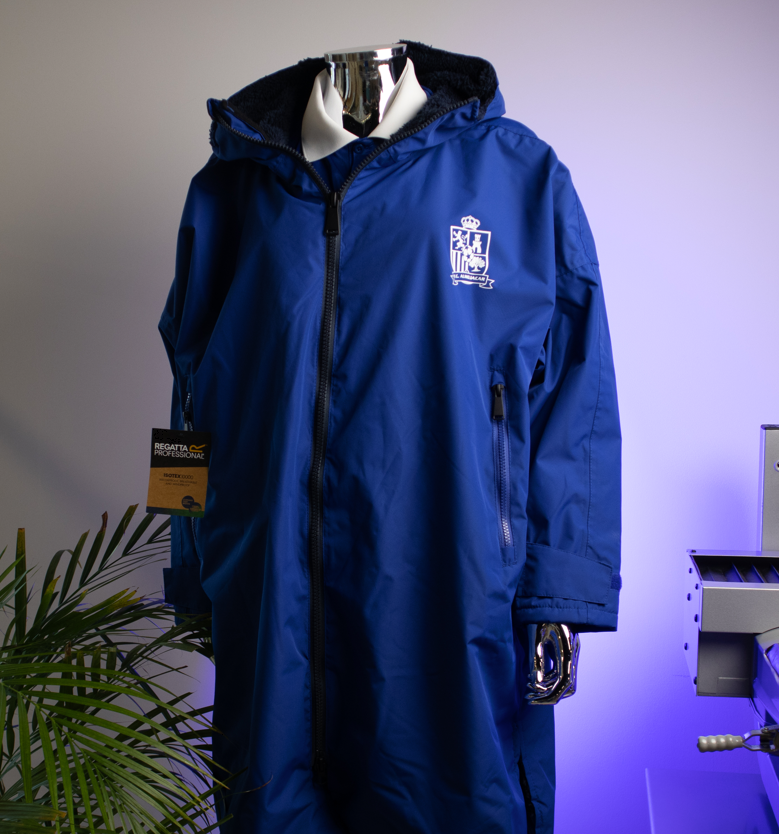
Dry robes are a practical winter option for keeping substitutes, coaches and staff warm on the sidelines, with plenty of space for club crests, sponsor logos and personalisation. But their technical fabrics and bulky construction can make heat printing more challenging than a standard garment.
Many dry robes feature heat-sensitive outer fabrics and protective coatings, so choosing the wrong transfer or application settings can result in scorching, damage or an unusable garment. That's wasted time, money and potentially an unhappy customer.
We'd recommend considering a low-temperature transfer such as our UltraColour or UltraColour Pro Transfers, which apply at just 120°C and 125°C respectively, helping reduce heat exposure. However, temperature is only part of the challenge. Thick seams, zips and pockets can prevent even pressure across the print area, leading to poor adhesion and reduced durability.
This is where your heat press setup matters. Hotronix Interchangeable Lower Platens allow you to isolate the print area, keeping bulky obstructions off the platen. Alternatively, Non-Stick Heat Press Pillows can raise the print area above seams and zips, helping achieve more consistent pressure.
With dry robes, it's about protecting the garment while ensuring the decoration lasts.
Hoodies: Press with Consistency
Hoodies offer plenty of potential for larger sportswear orders, from matching teamwear and coaching uniforms to supporter merchandise. But when you're producing 50, 100 or even 500 garments, consistency becomes just as important as the finished design.
Start with the fabric. Cotton, polyester and blended hoodies can behave differently under heat, so don't assume the same application will work across every style. Polyester and polyester blends can be particularly susceptible to scorching and dye migration, making it important to select a compatible transfer and test before production. For garments at risk of dye migration, consider our Subli-Blocker Transfers, designed with a barrier layer to help prevent dyes from bleeding through the print.
For heat-sensitive fabrics, low-temperature options are worth considering. A Grip Flex Rubber Pad can also provide a protective layer during application, although you'll need to account for its thickness when adjusting your press settings.
And don't forget about raised obstructions. Pockets, seams, zips and drawcords can interfere with even pressure, so make sure your print area is flat and free from anything that could affect adhesion.
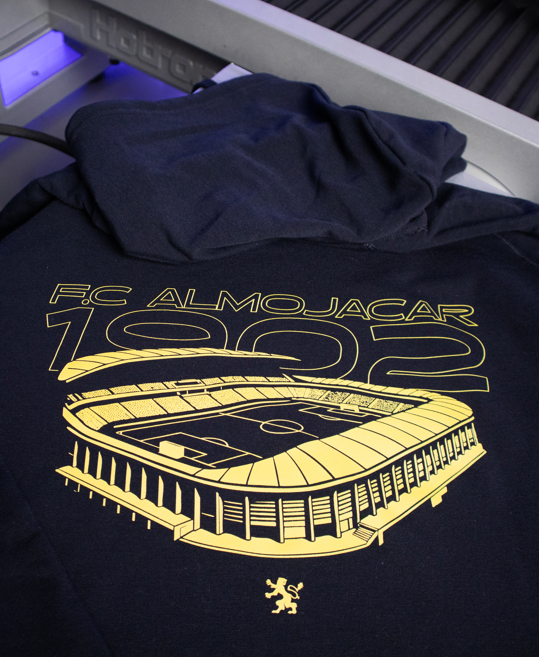
Print placement is another consideration that's easy to overlook. For back prints, check where the hood naturally sits when worn. A design positioned too high could end up partially hidden, reducing visibility for club branding or sponsors.
Scarves: Think beyond the team
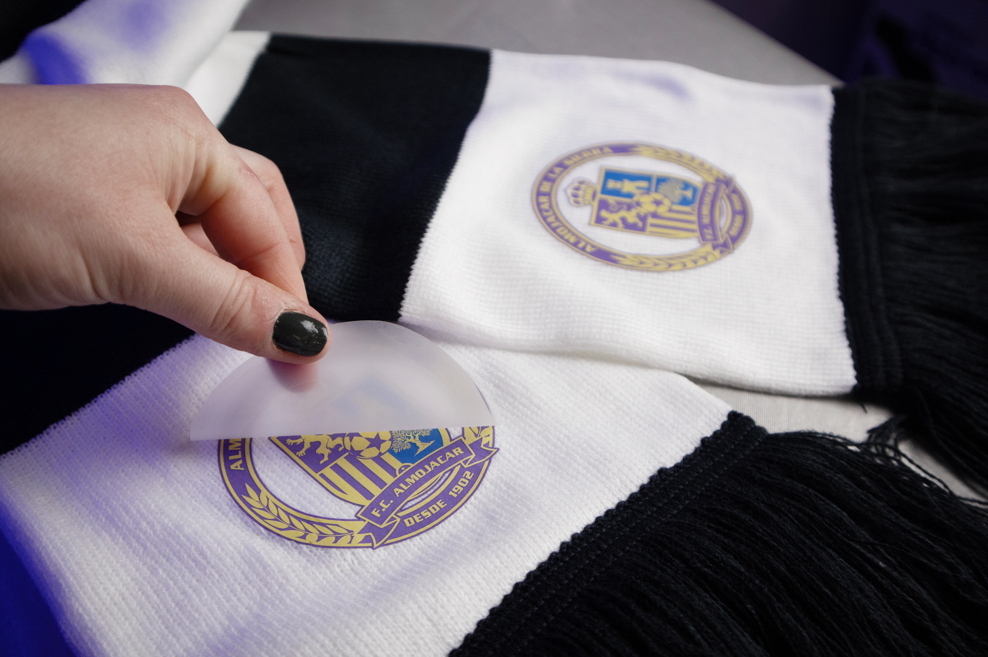
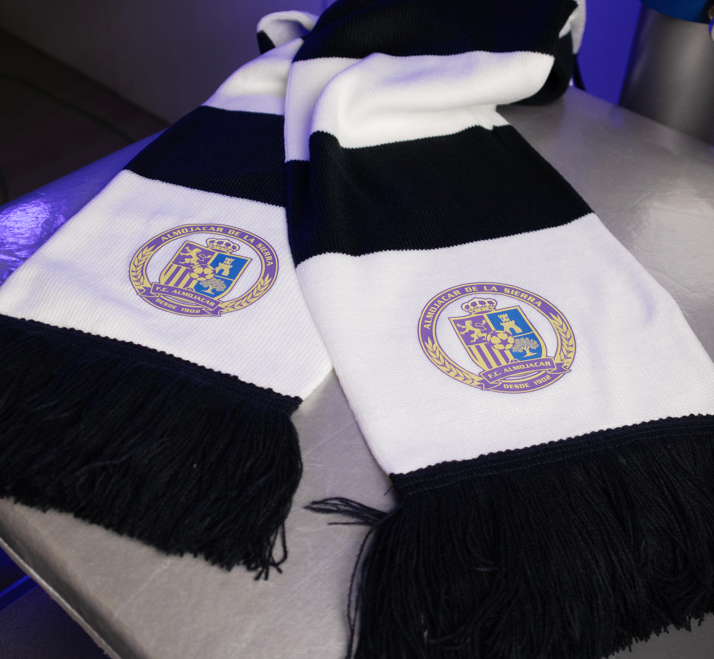
Scarves take you beyond the team and into the supporter market. They’re a match-day staple for showing club colours and keeping fans warm, while creating another revenue opportunity from an existing customer. Think club branding, sponsors, tournaments, commemorative matches and limited-edition designs.
But before you start pressing, check the fabric. Sports scarves are often made from acrylic, which can be particularly sensitive to heat. Too much heat can risk melting or distorting the material. So, opt for a low-temperature transfer and always test your application first.
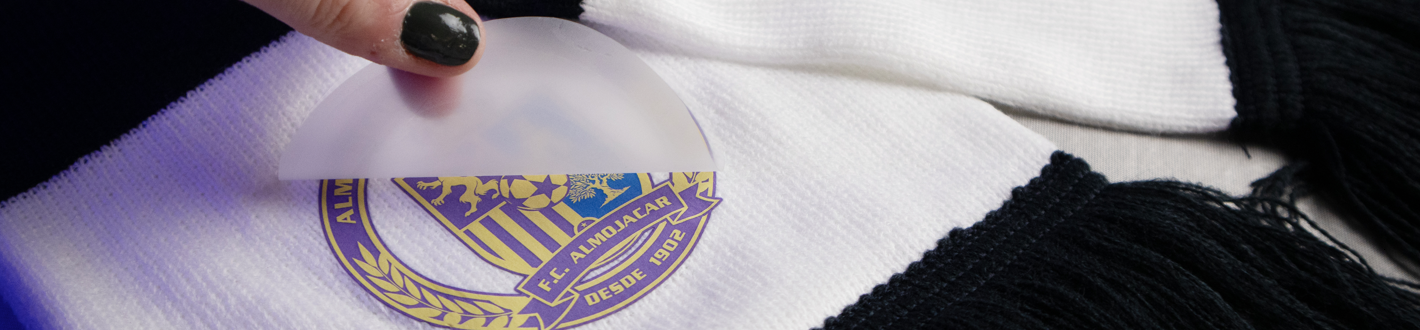
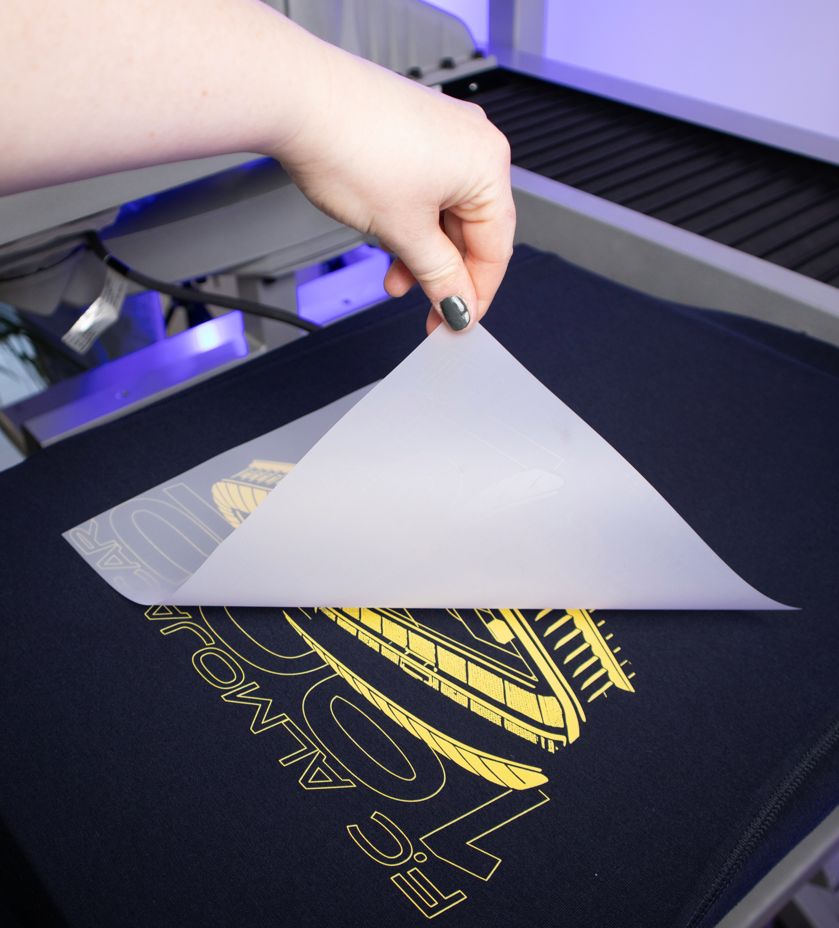
Consider your peel, too. While hot peel can work, a cold-peel option allows the material to cool and settle before removing the carrier, helping to minimise stretching or distortion. And don’t forget about stretch once the printing is over. If the scarf has plenty of give, choose a transfer with good stretch and rebound so the decoration can move with the fabric and return to shape without compromising the finish. For this type of print, UltraColour will be the ideal option.
Is your production setup ready to scale?
For volume production, repeatable time, temperature and pressure are essential. If your process works for 50 garments but starts to break down at 500, you’re not ready to expand.
As quantities increase, small inconsistencies can quickly become costly problems. Establish your application settings, test them on the garment and invest in a heat press you can trust to deliver consistent results throughout longer production runs.
The Hotronix range offers options for different production needs and setups, with accurate time, temperature and pressure controls. Depending on the model, features such as swing-away or drawer functionality, auto-open, air-powered operation and IQ touchscreen technology can help make production more efficient and repeatable.
Your wider workflow matters too. Look at how quickly garments can be loaded, positioned, pressed and unloaded, and identify anything slowing production down. Accessories such as a Quick Slip Lower Platen Protector can make garments quicker and easier to load onto the platen, while pre-cut transfers arrive ready to fuse, removing another step from your workflow.
Scaling isn’t simply about pressing faster. It’s about producing garment 500 to the same standard as garment one.
Expand your sports offering with Stahls’
The opportunity in sports decoration extends well beyond the kit. Dry robes can serve players and staff on the sidelines, hoodies can work across almost every part of a club, and scarves give decorators an opportunity to move into supporter merchandise. But adding new garments also means understanding how different fabrics, constructions and applications behave under a heat press.
At Stahls’, we can help you match the right transfer, heat press and application process to the garment, helping you confidently take on larger sportswear orders without compromising on the finish.
Get in touch with the team to find the right setup for your next sportswear project.